
about irish cement
Since commencing operations at Drogheda and Limerick in 1938, the company has continually invested in enhancing the quality and capacity of production to meet the demand of home and export markets. With an installed capacity of approximately 3.5 million tonnes per annum we are the largest manufacturer of cement in Ireland.
our locations
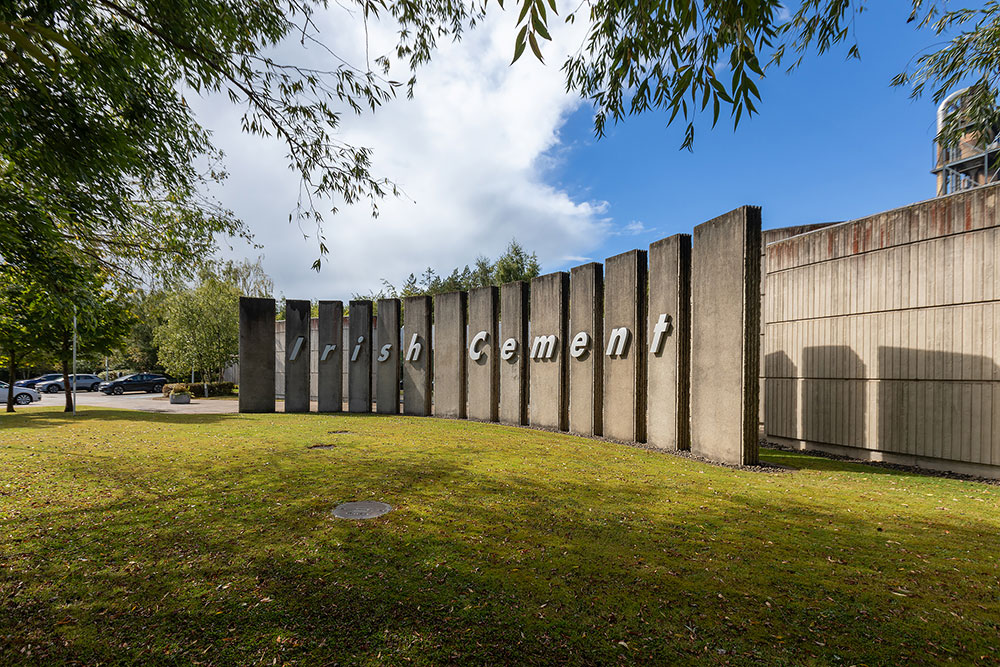
Head Office
More Info
Address:
Irish Cement Ltd.
Platin
Drogheda
Co. Louth
A92 XP78
General Enquiries
P: + 353 41 987 6000
E: info@irishcement.ie
Tech / Marketing
P: + 353 41 987 6000
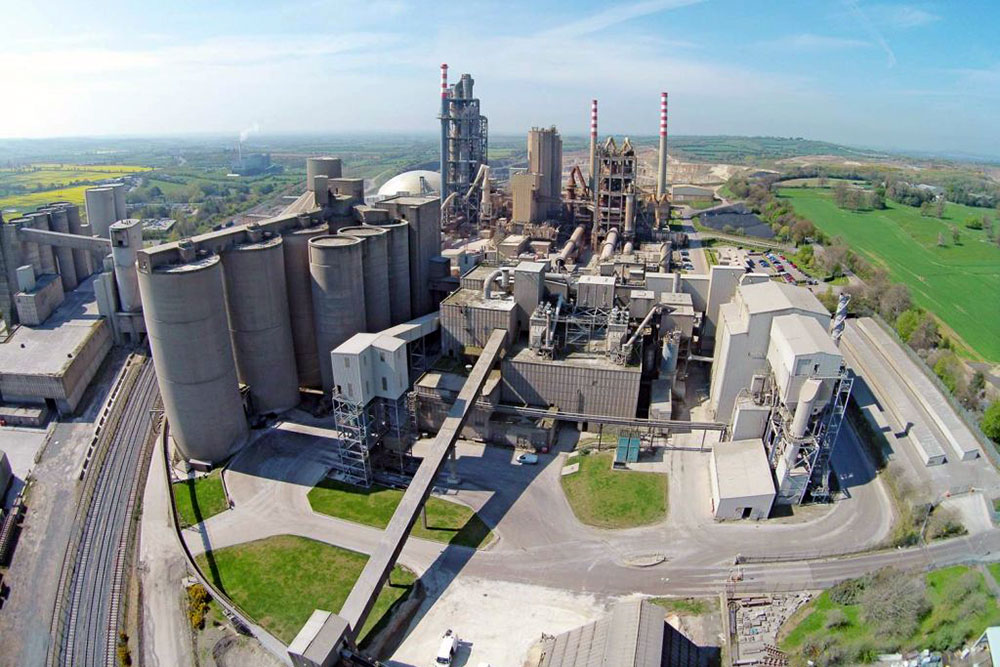
Platin works
More Info
The Early Years
Irish Cement first operated a cement works near Drogheda from 1938 before establishing its modern facility at Platin in 1972. With extensive limestone and shale reserves, excellent rail connections and close proximity to Dublin, Platin remains an ideal location for cement manufacture.
Investing in the Future
Production capacity expanded significantly in 1977 and again in 2008 with the commissioning of Kiln 3, one of the world's most modern and energy-efficient cement plants.
Continuous investment in technology, automation and alternative fuels has improved energy efficiency and reduced CO₂ emissions, supporting Irish Cement's commitment to more sustainable operations.
Today, Platin supplies customers across the north and east of Ireland while also serving export markets.
Address:
Irish Cement Ltd
Platin Works
Drogheda
Co. Louth
A92 F5YY
General Enquiries
T: +353 41 987 6000
E: info@irishcement.ie
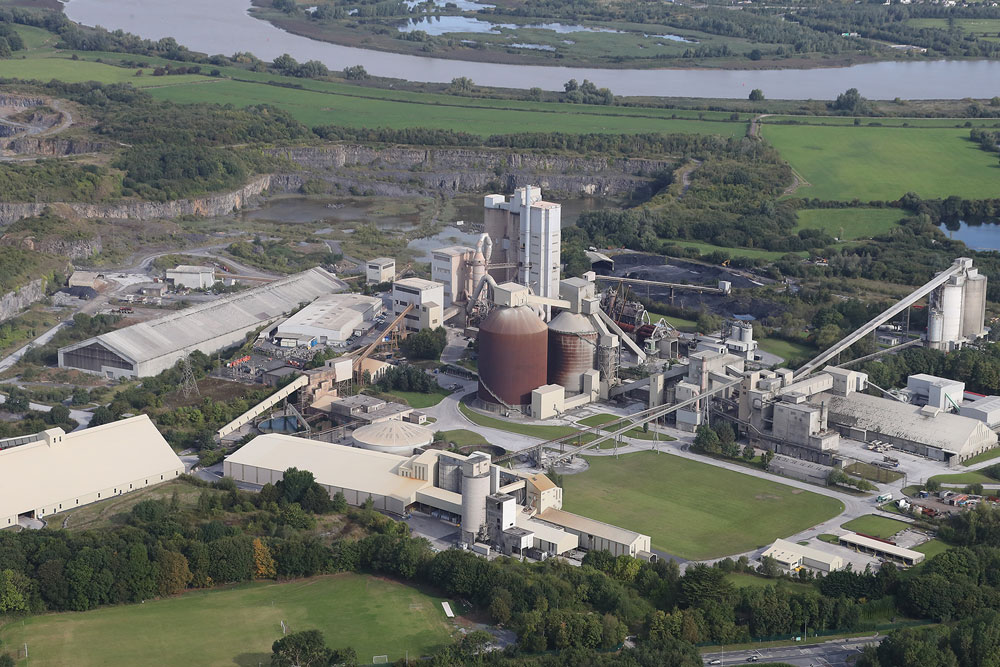
Limerick works
More Info
The Early Years
Limerick’s natural reserves of limestone, clay and shale made it an ideal location for cement production. The potential was recognised as early as 1904, and the first cement deliveries from Limerick Works began in 1938.
Growing demand led to continued expansion throughout the following decades, increasing annual capacity to 725,000 tonnes by 1965.
From Wet to Dry Process
In 1983, a new dry process kiln was introduced, significantly improving fuel efficiency and replacing the older wet process kilns.
Continued investment in automation, process control and environmental performance has helped Limerick Works maintain high standards of product consistency and operational efficiency.
Today, the site supplies customers across the south and west of Ireland, while also supporting export markets when required. Irish Cement is also progressing plans to reduce fossil fuel use and further improve the sustainability of operations.
Address:
Irish Cement Ltd
Limerick Works
Castlemungret
Co. Limerick
V94 K194
General Enquiries
P: +353 61 48 7000
E: info@irishcement.ie
Part of Everything We Do
HEALTH & SAFETY
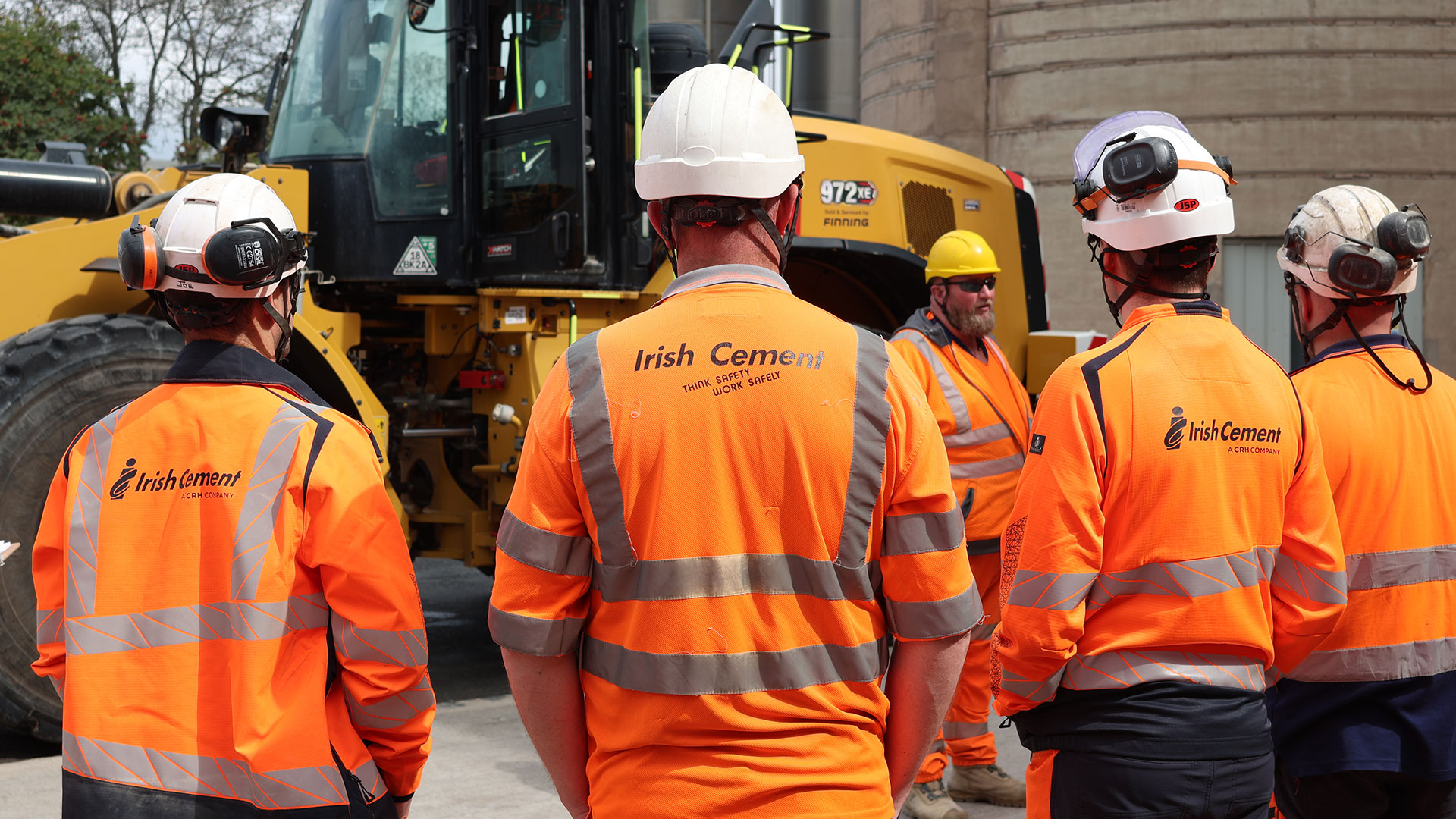
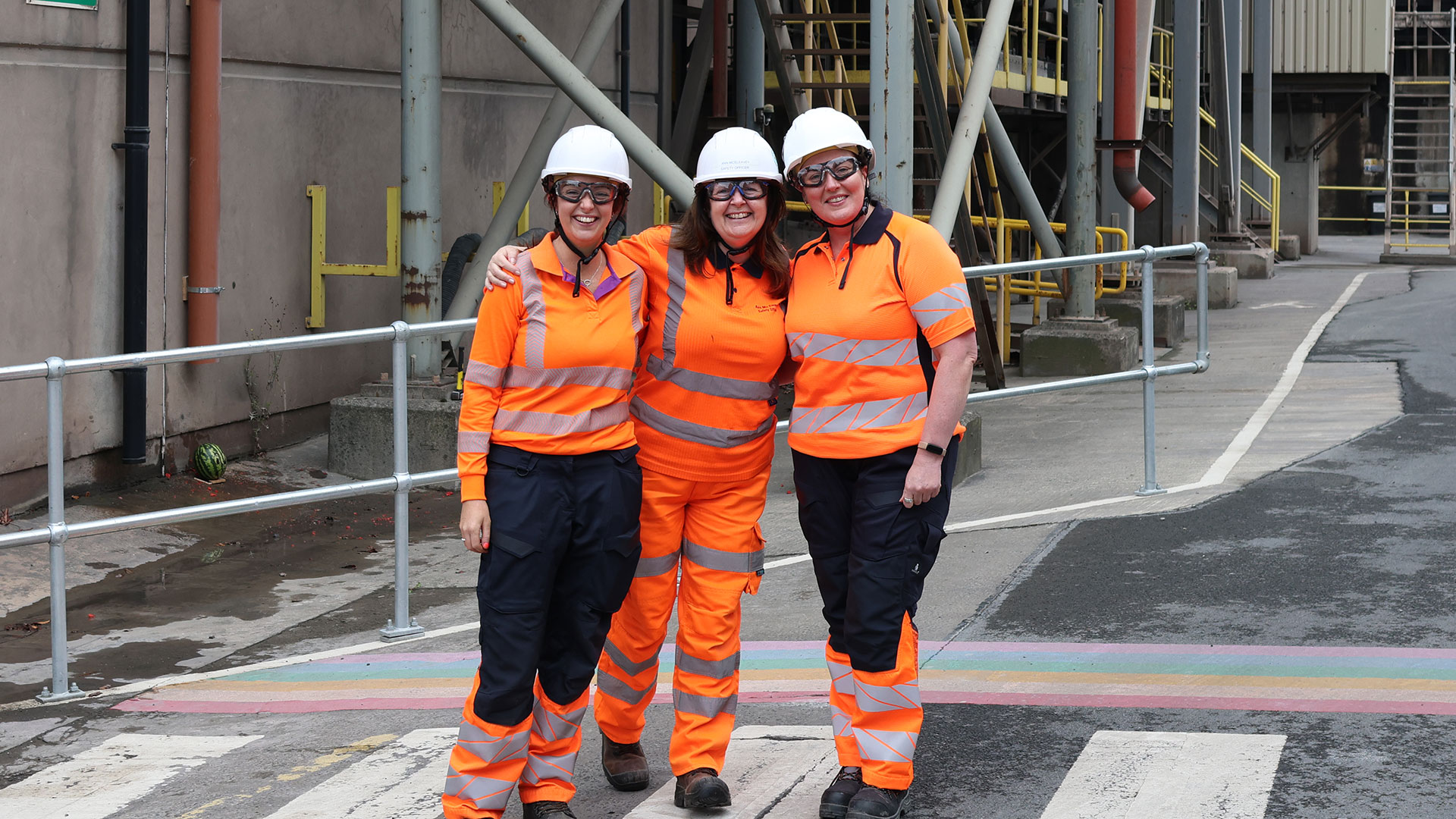
Irish Cement places the health, safety and wellbeing of its people, partners and communities at the centre of everything it does. Clear and effective safe working practices are established across all sites, supported by continuous review, strong leadership and a shared commitment to keeping each other safe.
Read More
A dedicated Health & Safety team works closely with colleagues and contractors to ensure high standards are maintained, regulatory requirements are met and best practices continue to evolve. Clear procedures, ongoing training and open communication help create an environment where everyone is encouraged to take responsibility, speak up and look out for one another.
Irish Cement also ensures that all users of its products are informed on safe handling and use. The Safety Data Sheet for cement products is prepared in line with EU REACH Regulation requirements, providing clear guidance to customers and stakeholders.
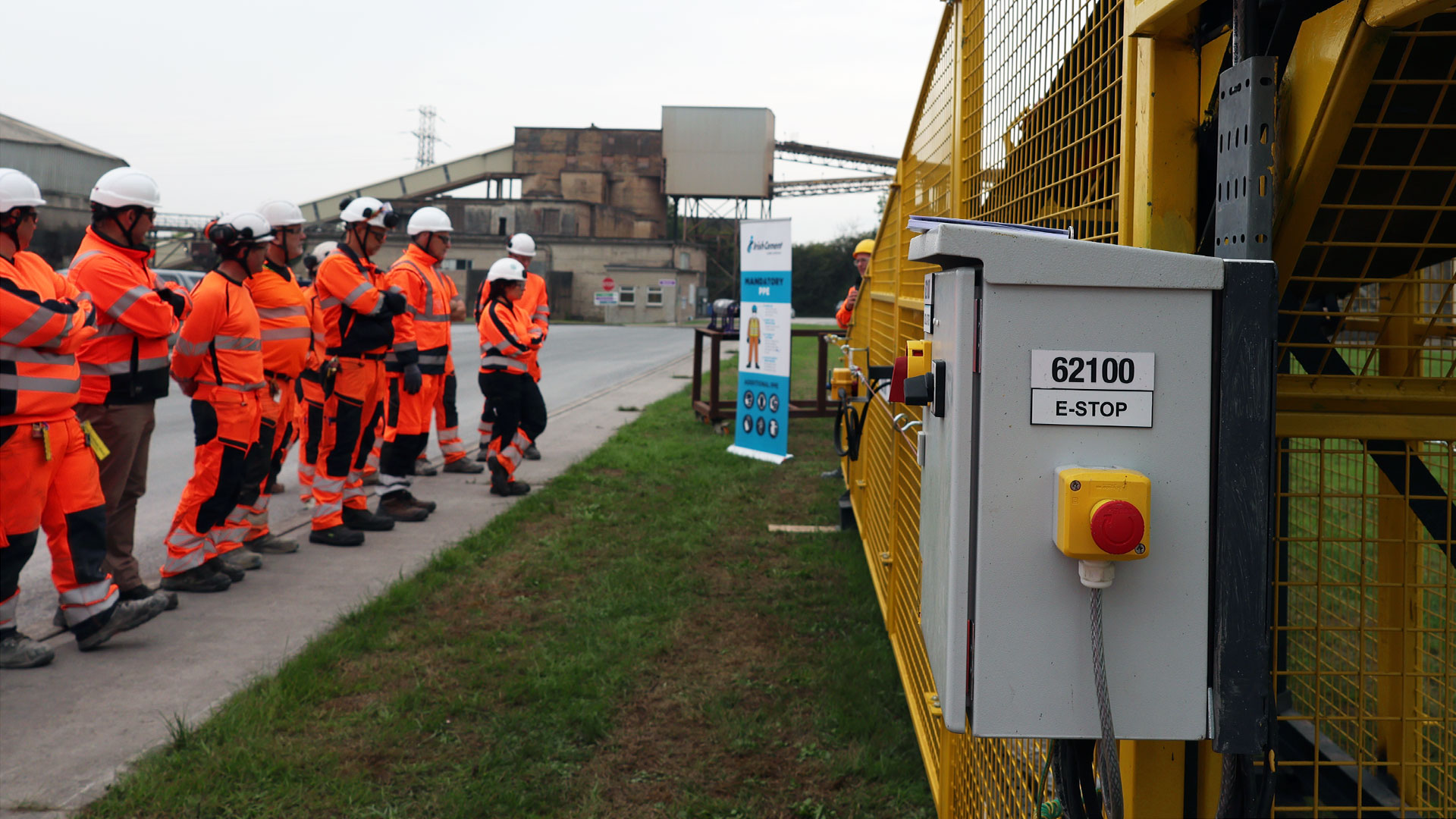
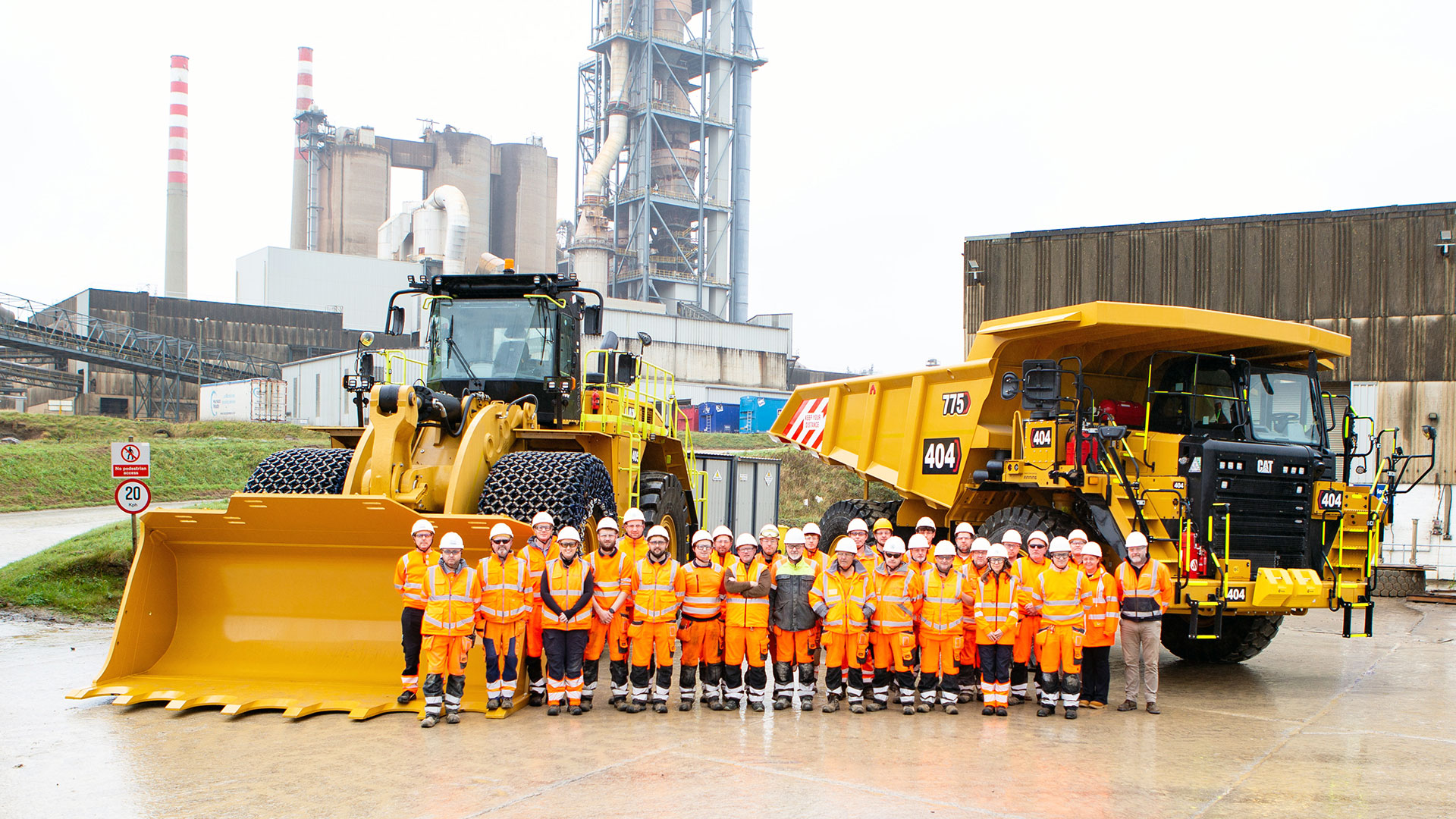
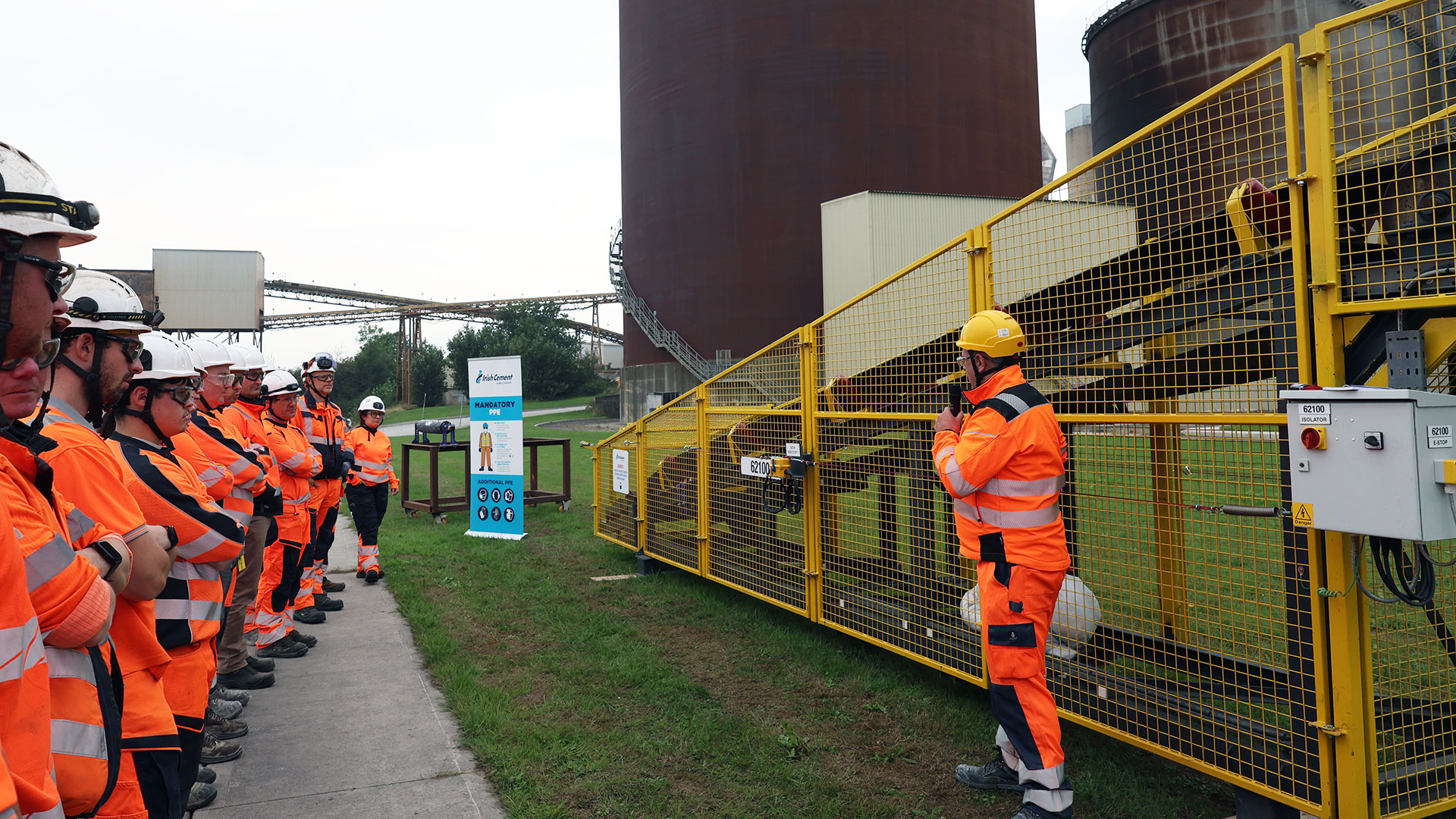
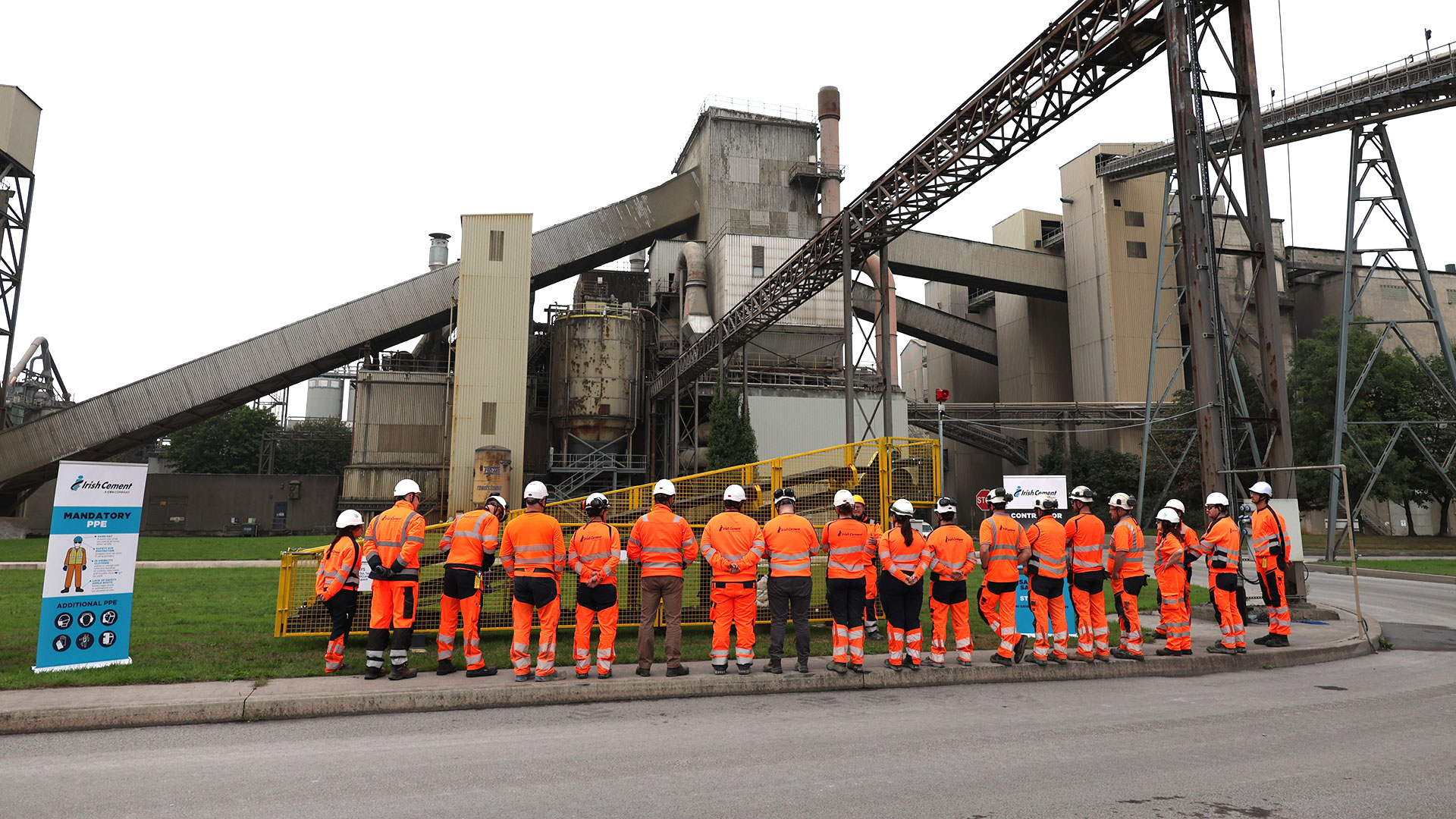
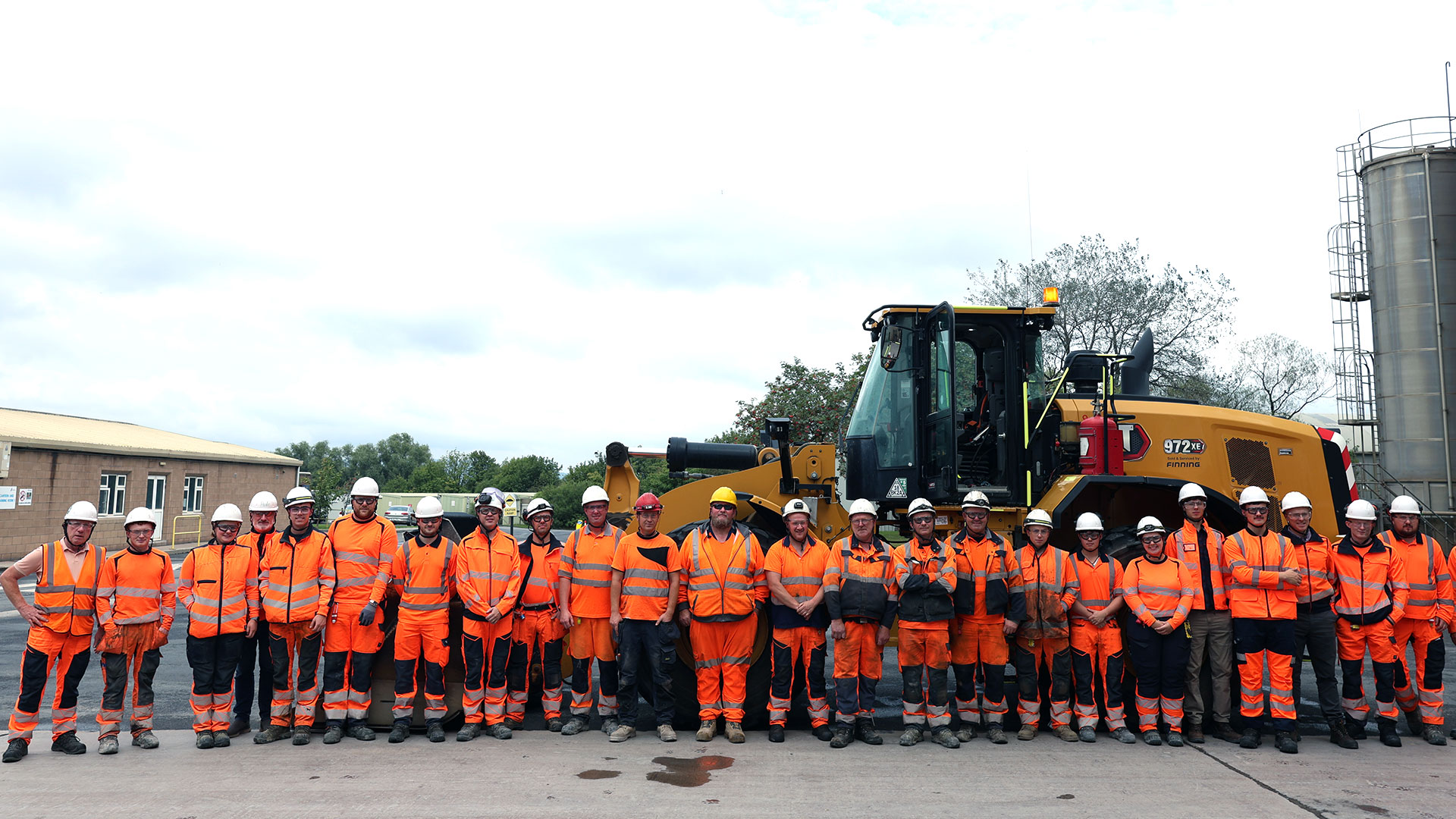
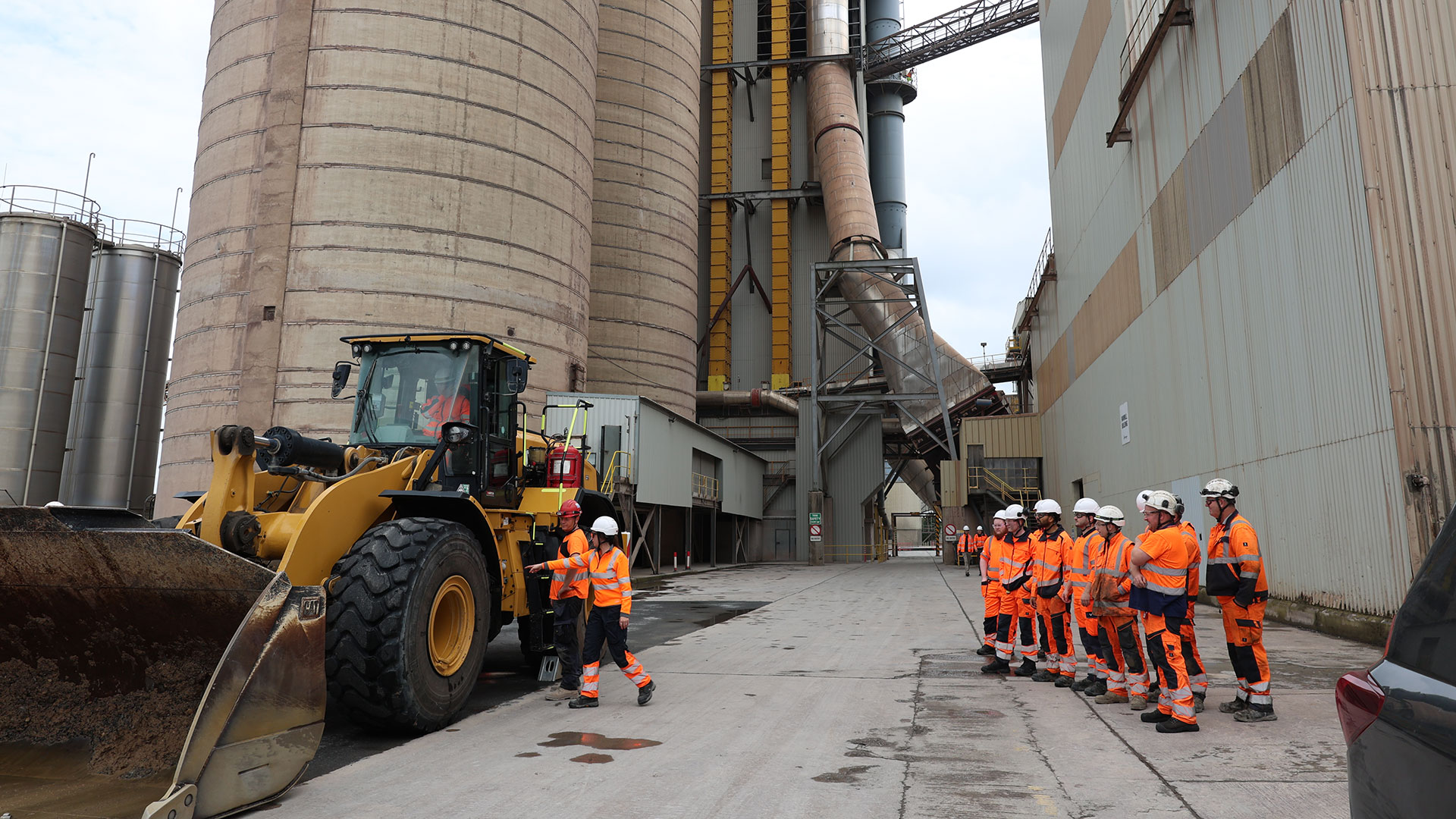
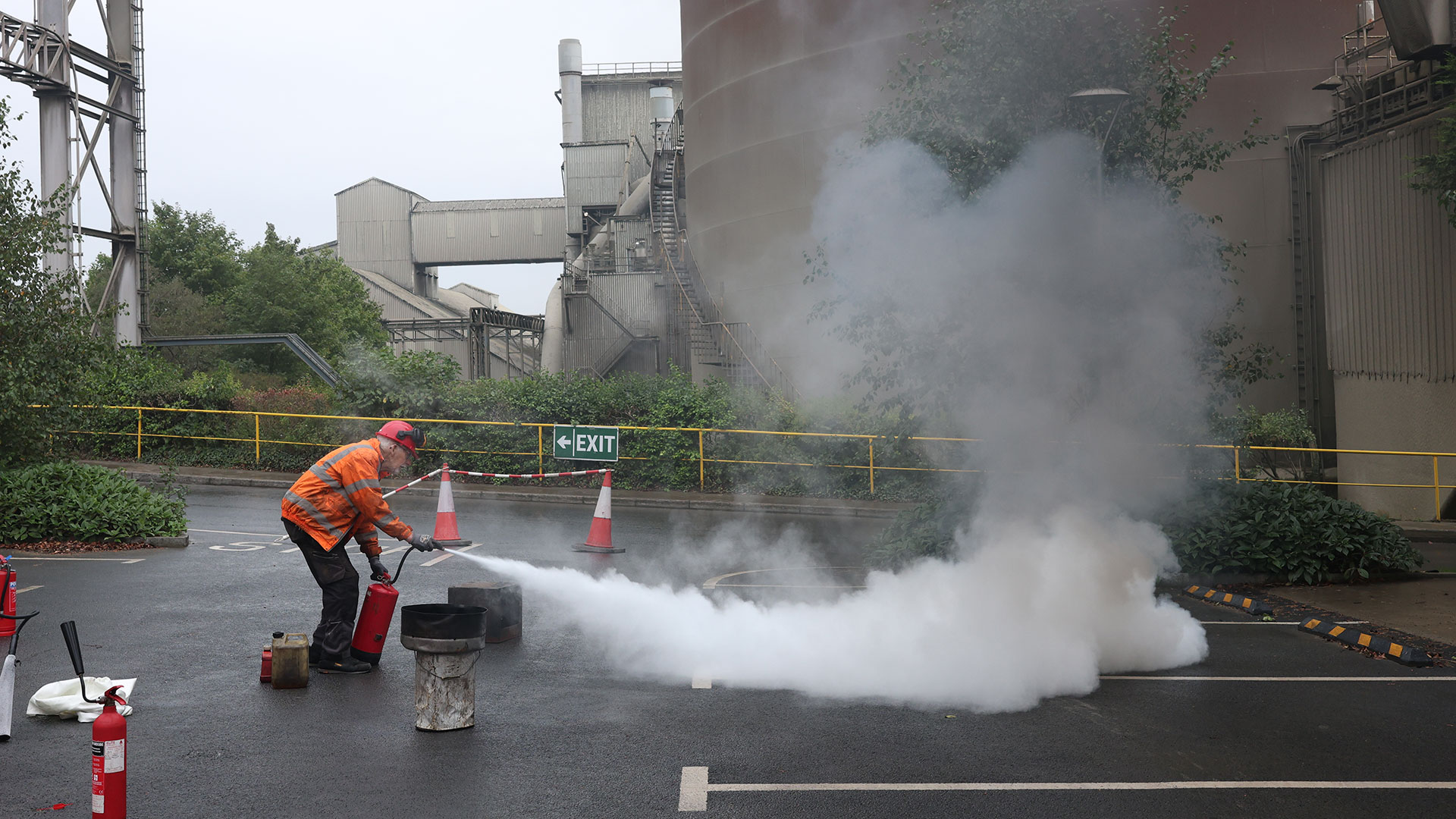
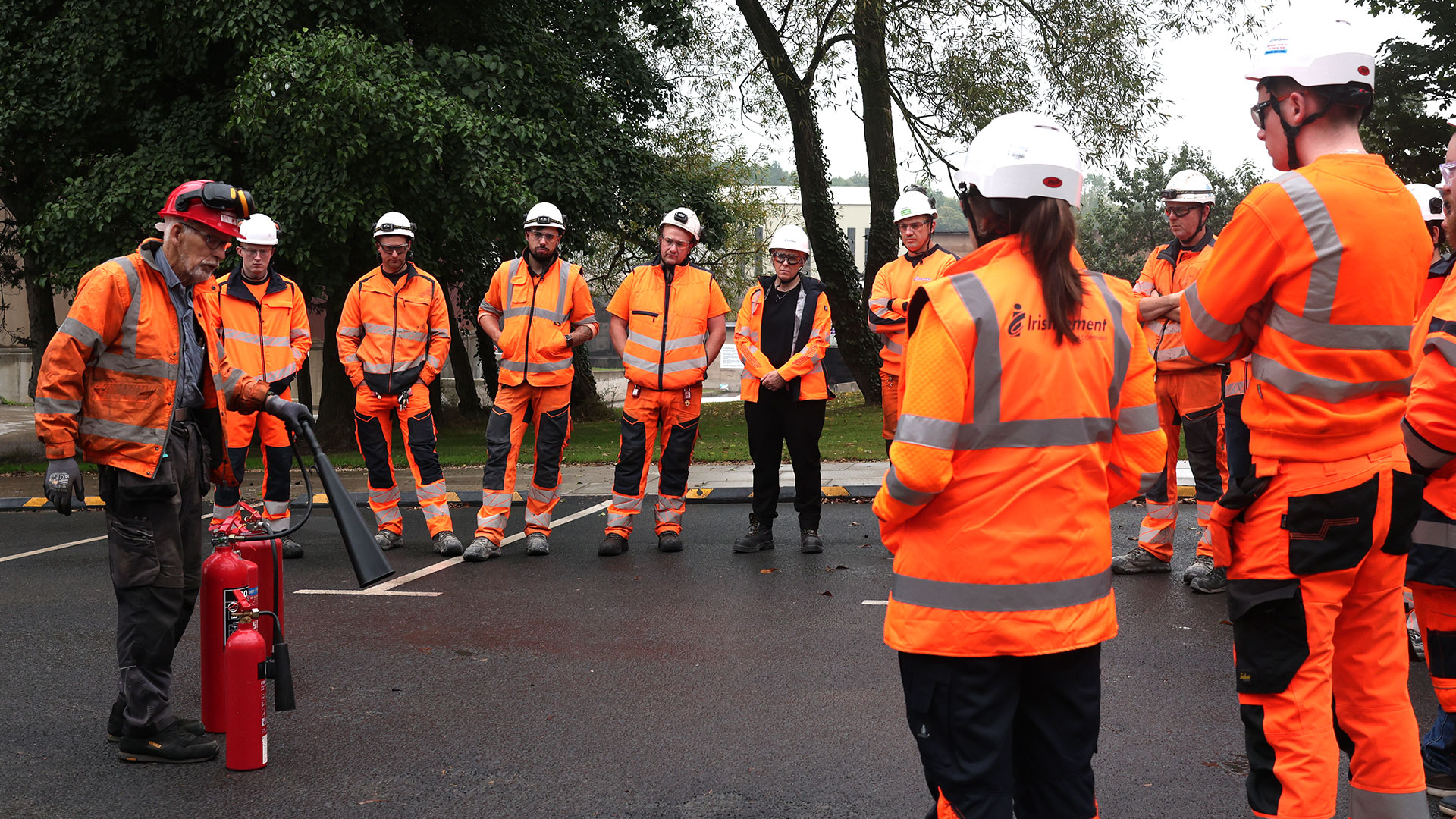
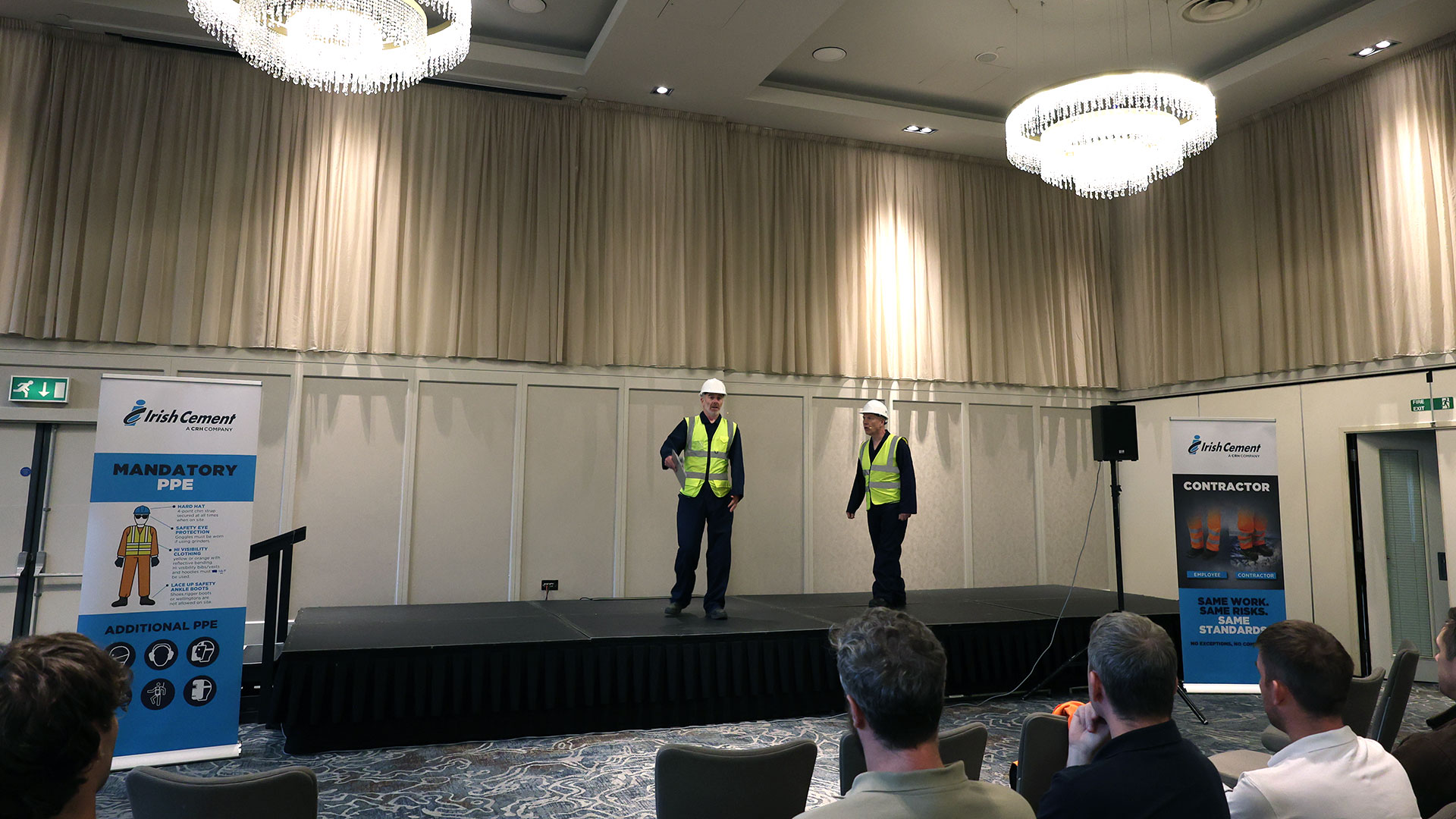
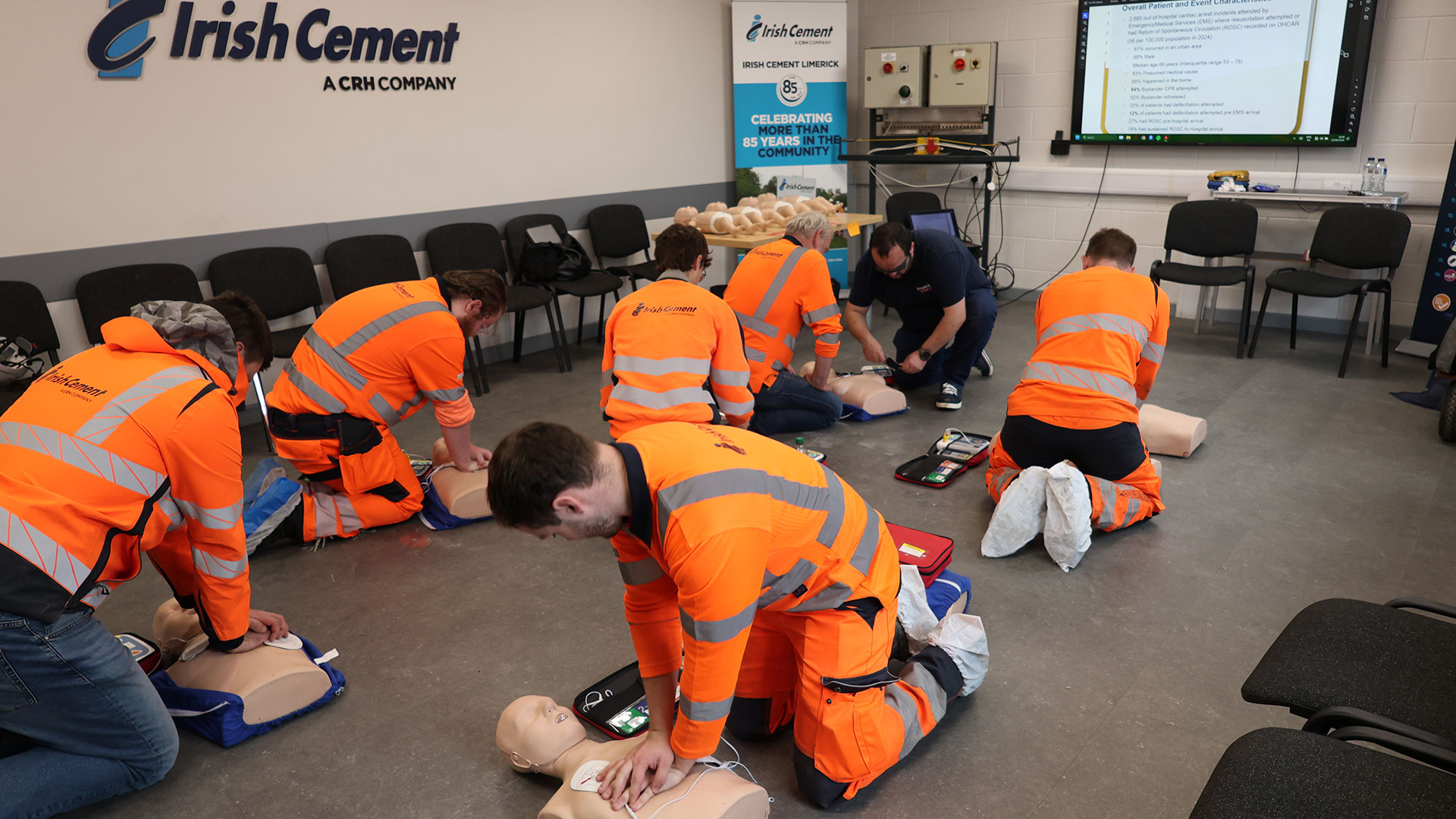
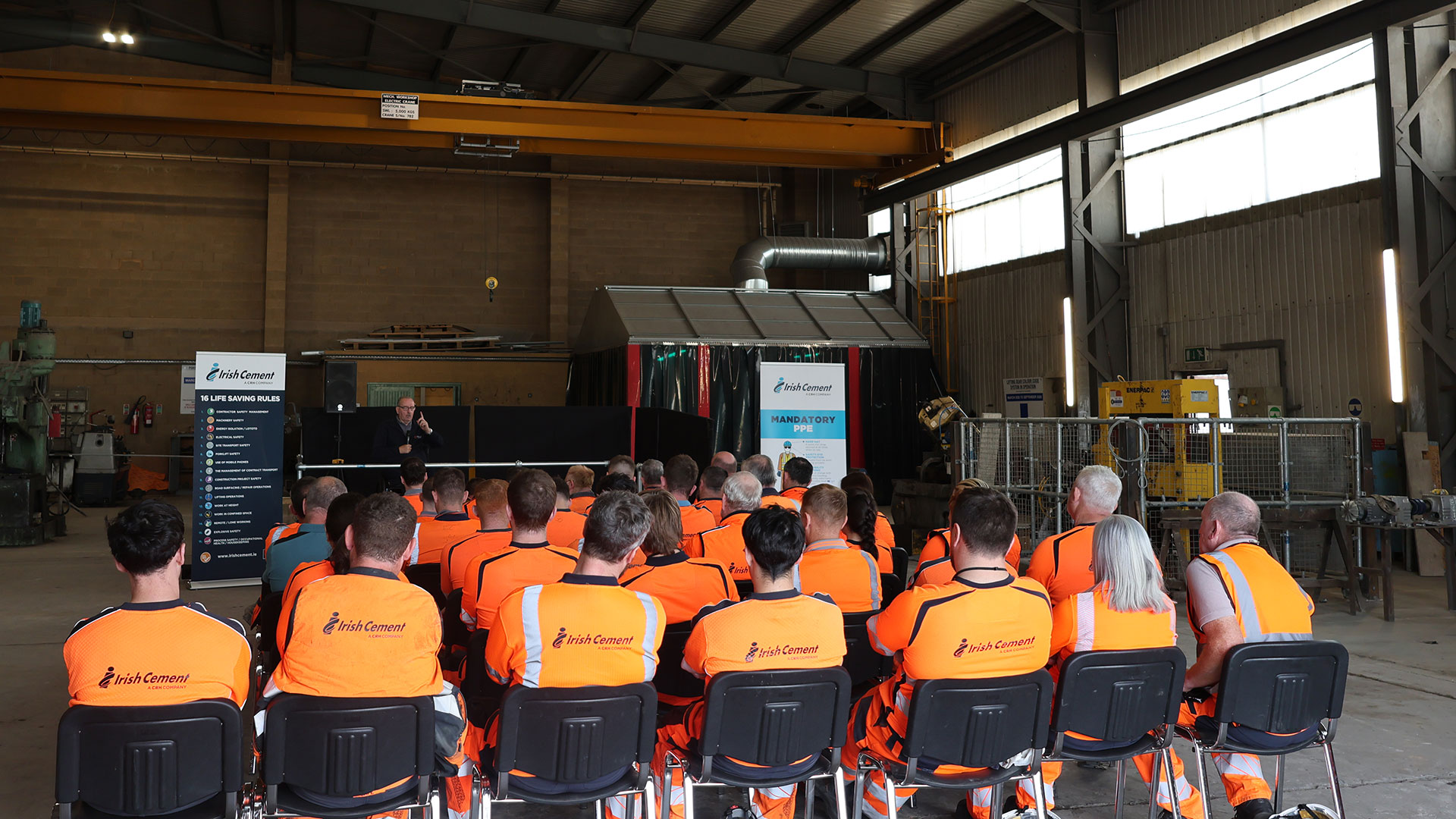
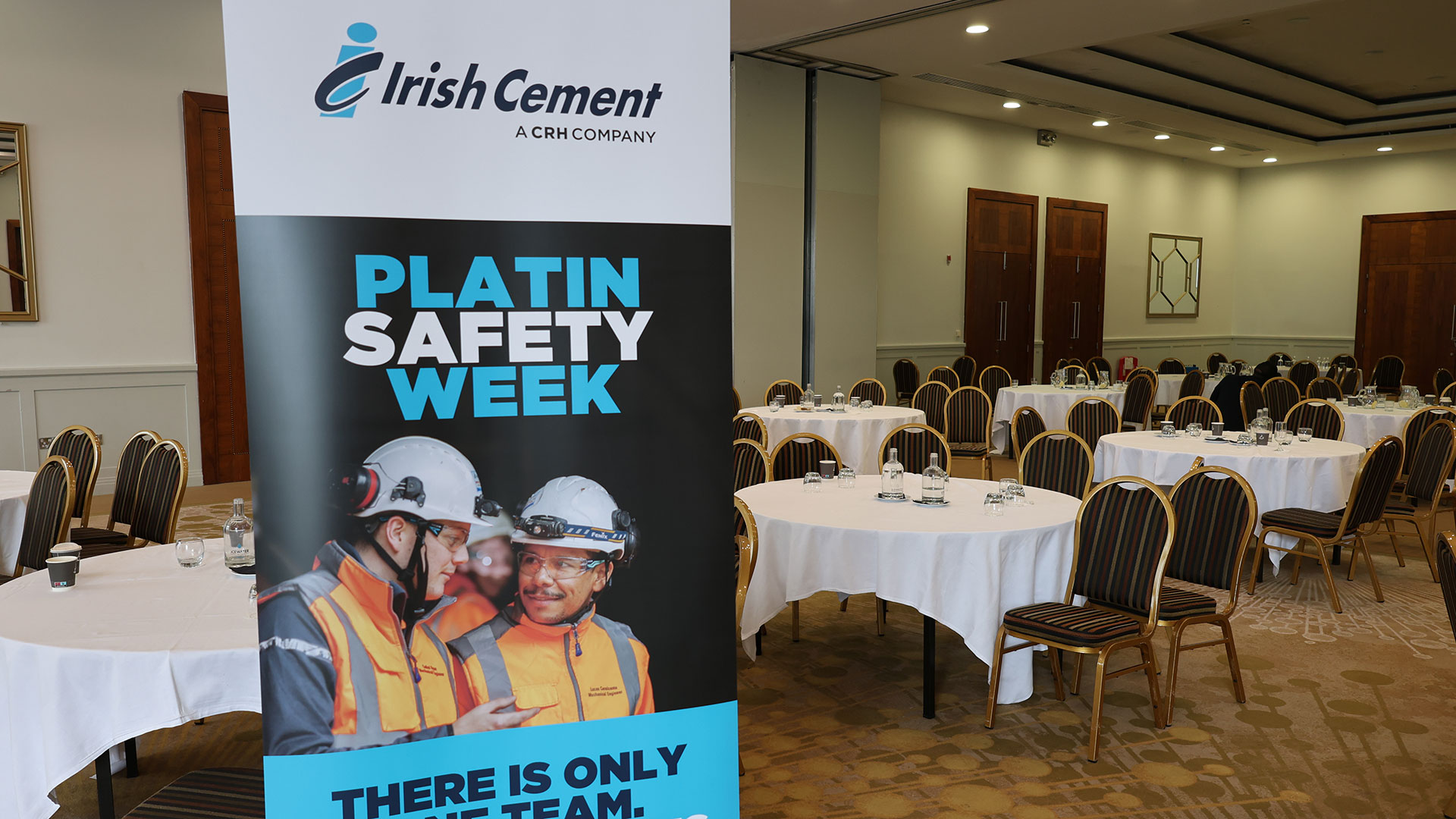
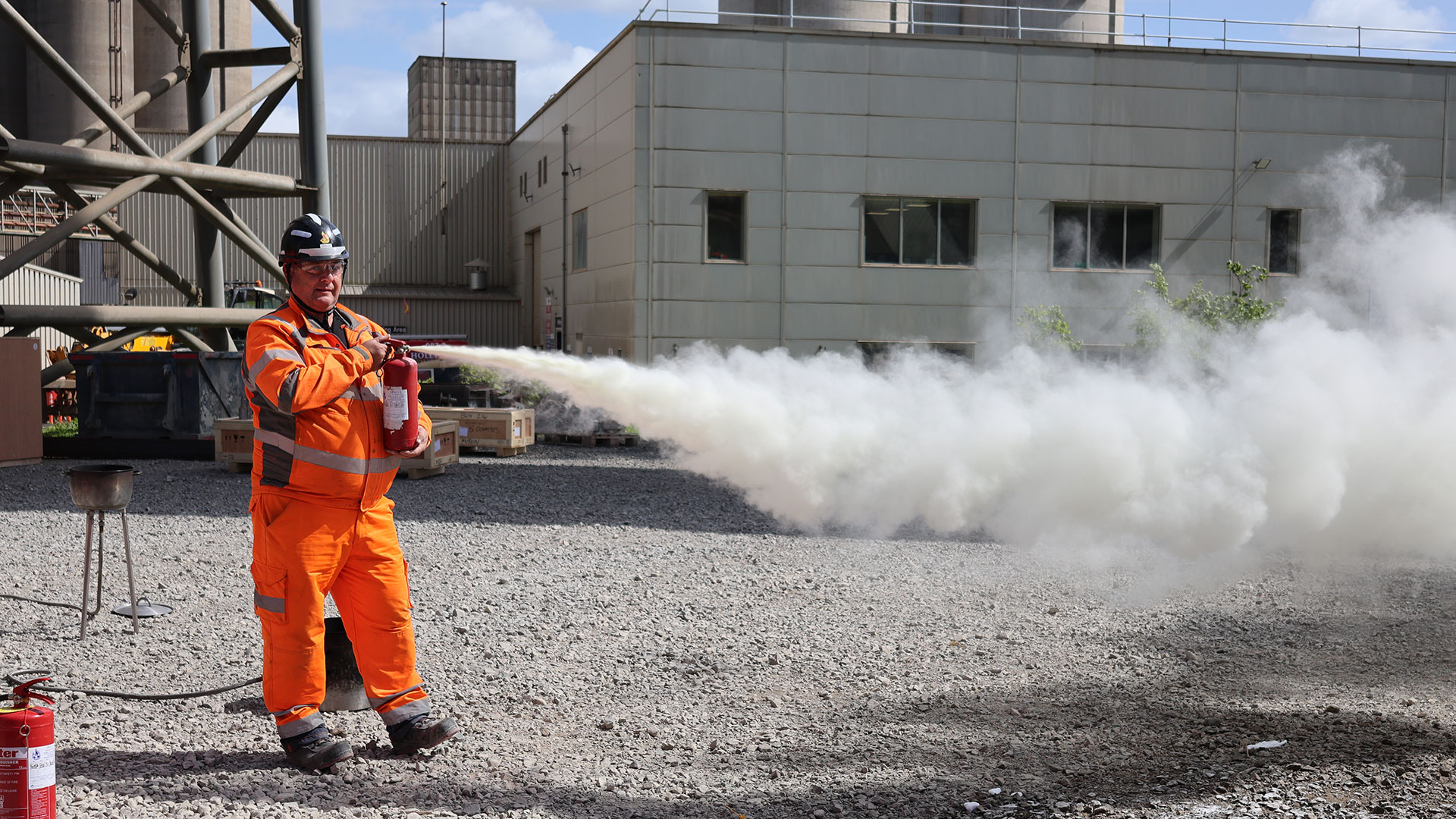
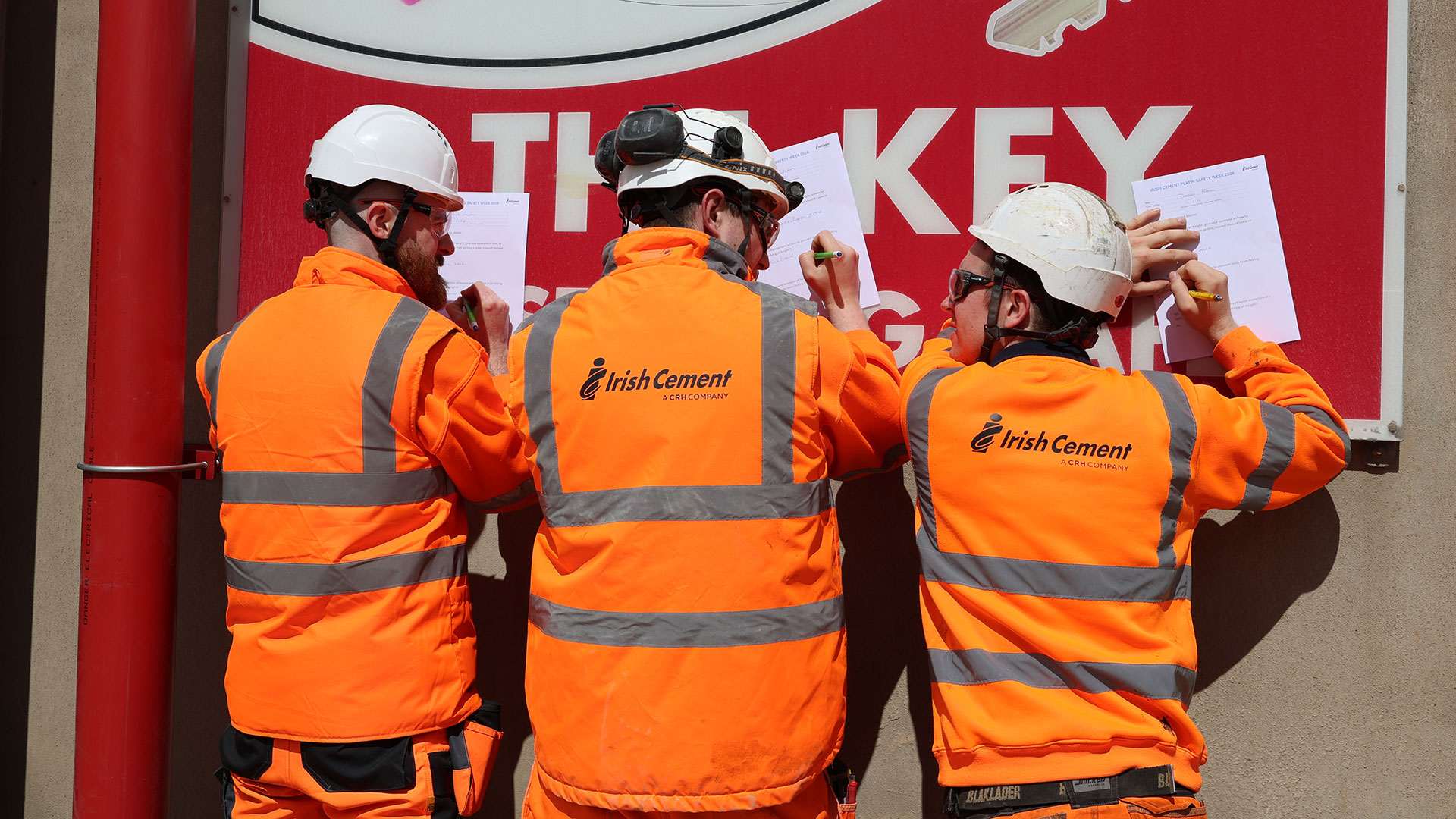
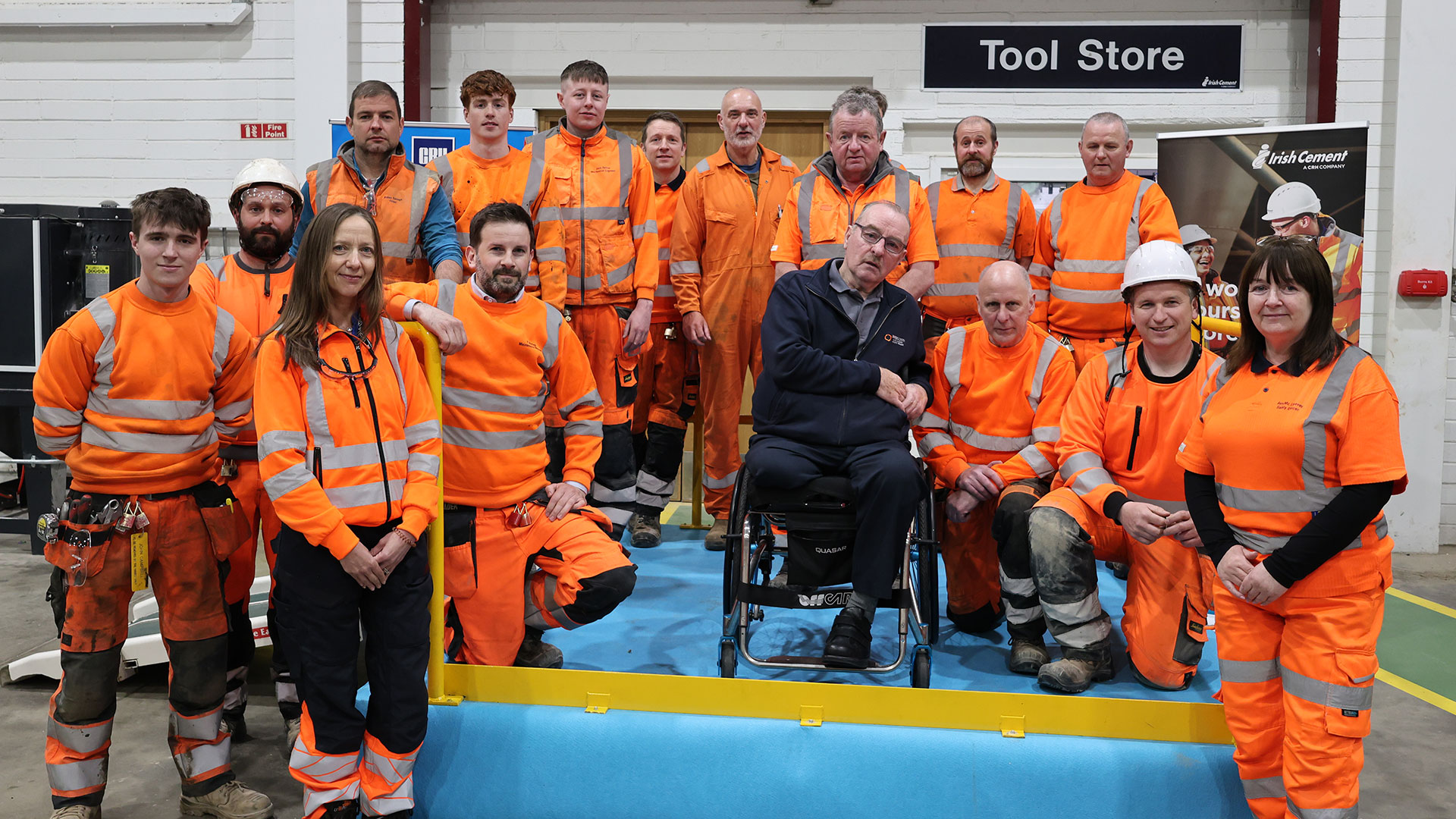
Recent initiatives such as Safety Week at the Platin Works, reflect our ongoing commitment to strengthening its safety culture. The week brought employees and contractors together through practical sessions, demonstrations and discussions focused on key safety topics, encouraging awareness, confidence and safer decision-making both at work and beyond.
Through initiatives like these, Irish Cement continues to build a culture where safety is a shared responsibility and where the goal is simple: ensuring everyone goes home safely at the end of each day.
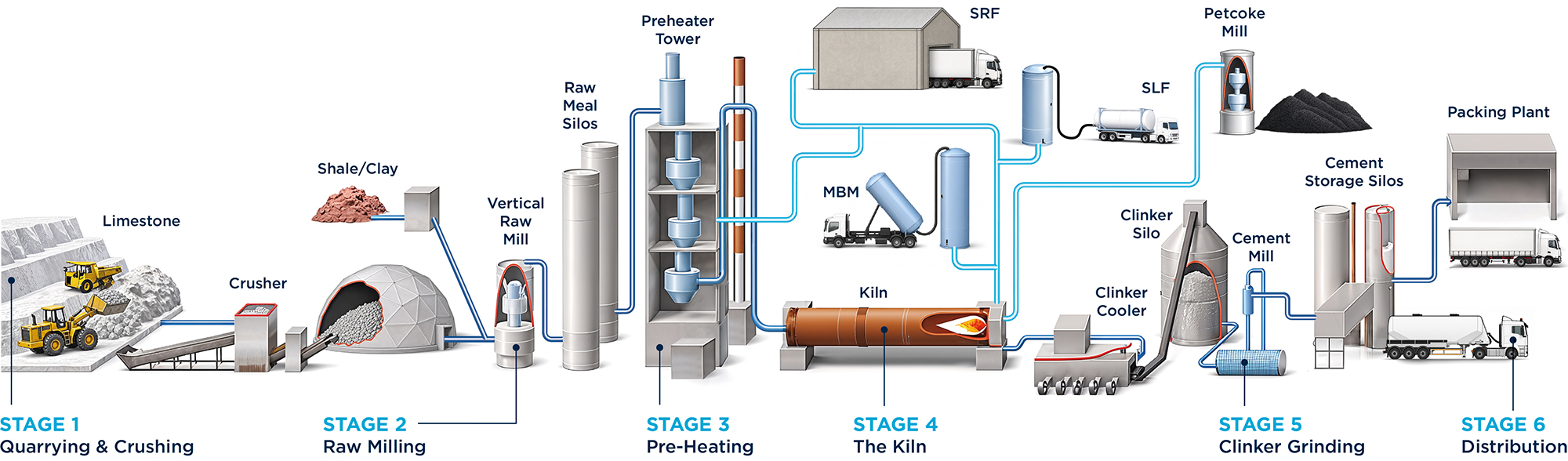
Our Production Process
platin
limerick
Our Commitment to a Sustainable Future
At Irish Cement, sustainability means protecting the environment, supporting our people and communities, and upholding responsible business practices.
OUR R&D LABORATORY
Explore
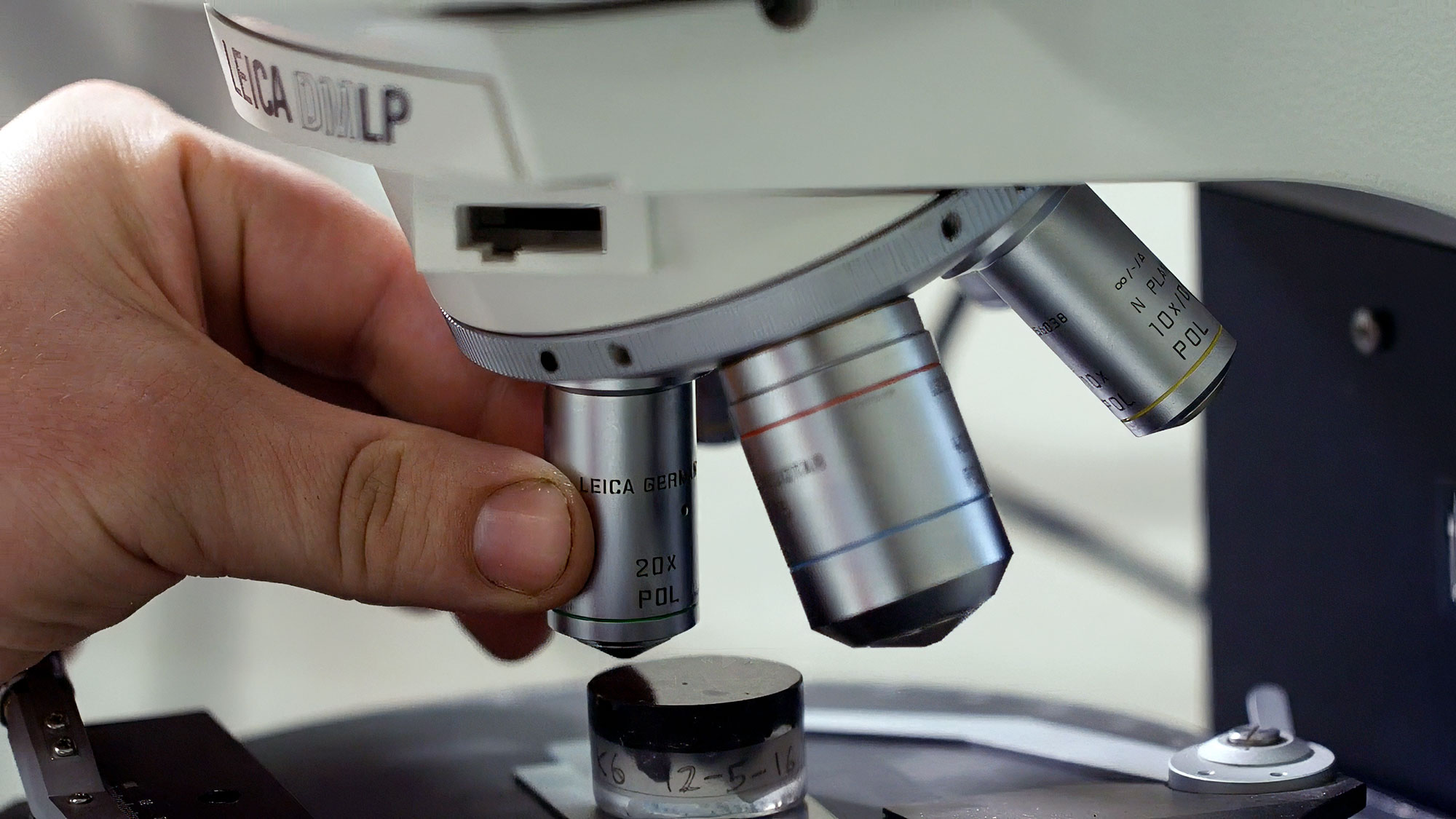
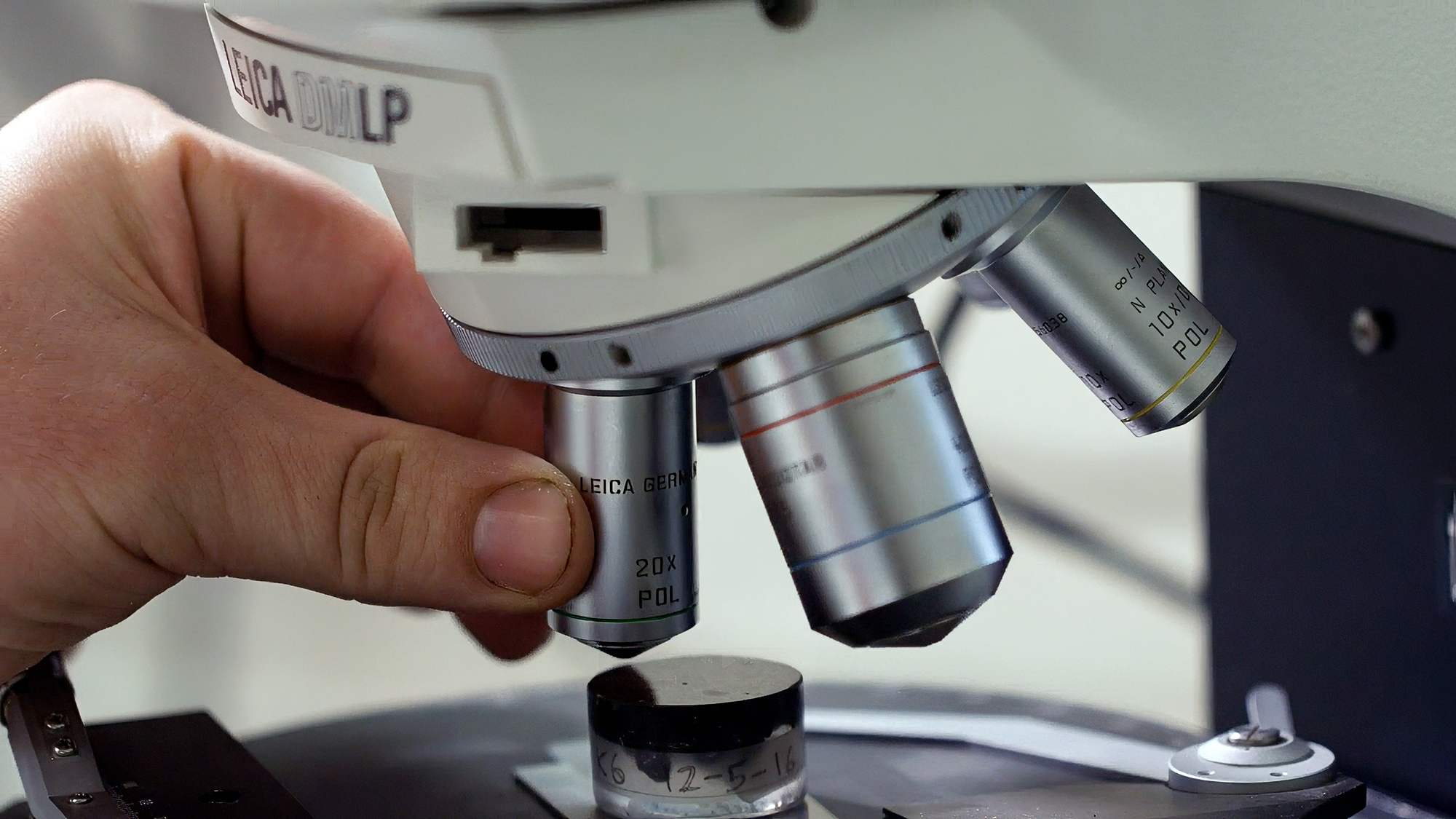
Irish Cement’s Research & Development Laboratory plays a key role in supporting our operations across both Platin and Limerick Works. Our highly qualified team uses advanced testing and analysis to ensure our cement consistently meets the highest quality standards, giving confidence to our customers in every product we supply. The lab also supports continuous improvement and innovation across our processes and products.
Everyone’s perspective matters
Part of an inclusive culture where you belong
Our vision
It is Irish Cement’s vision to create an inclusive workforce that reflects society in Ireland. We want to establish a sense of belonging amongst our employees, making them feel more connected and empowered to contribute their unique talents.
We want to create a safe environment where our employees feel comfortable, working together collaboratively and effectively without judgement. We want to encourage our employees to reach their full potential whilst working as a team and empower and support them to grow in their own way.
As members of IBEC, we embrace the ethos that inclusion and belonging will give our business insights into our customers markets and help us to be more responsive to our increasingly heterogenous customers.
We look to celebrate difference and build on Irish Cements long standing relationships with the community and our customers since 1938.
Our mission
We understand that achieving inclusion and belonging is not always easy, it can cause us to sometimes be uncomfortable, requiring us to review how things have been done in the past and to make the necessary changes to achieve our vision for the future.
We will encourage frequent employee feedback through employee health surveys and employee resource groups. We will hold each other and our leadership accountable for implementing and seeing through our inclusion and diversity vision.
We understand the importance of inclusion and belonging to our business, it is more than just a tick box exercise for us, we know it is an important journey, but one that we are committed to upholding as people are our priority.
About CRH
CRH is the leading provider of building materials critical to modernizing infrastructure. With our team of 83,000 people across 4,000 locations, our unmatched scale, connected portfolio, and deep local relationships make us the partner of choice for transportation, water, and reindustrialization projects, shaping communities for a better tomorrow. CRH (NYSE: CRH) is a member of the S&P 500 Index.
For more information, visit www.crh.com.
IRISH CEMENT HISTORY
1938
Drogheda
9 May 1938
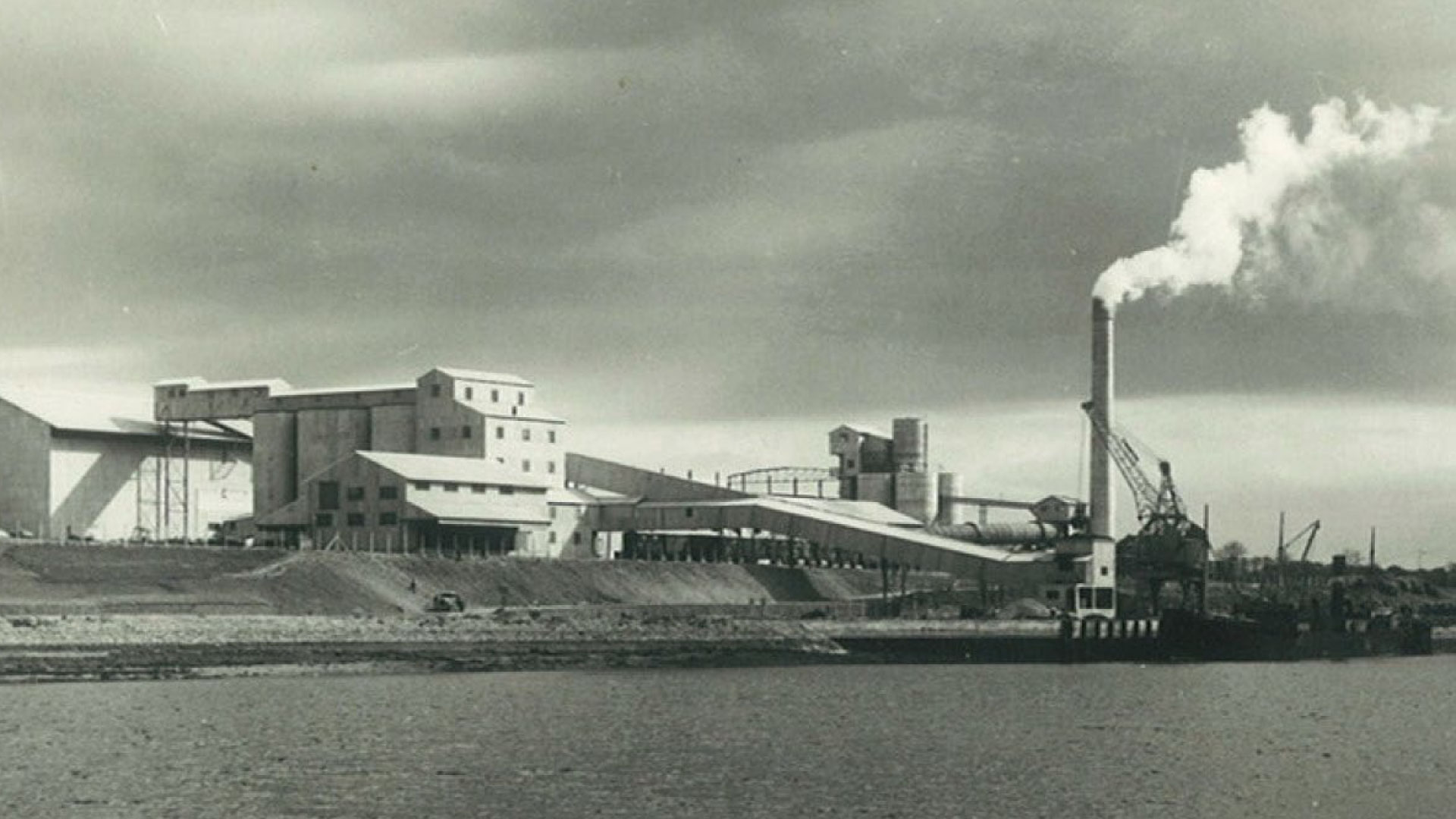
Cement production began in Drogheda, with a new plant built on the north bank of the River Boyne. With an annual capacity of 150,000 tonnes, it marked a major milestone in establishing Ireland's own cement industry.
1938
Limerick
11 April 1938
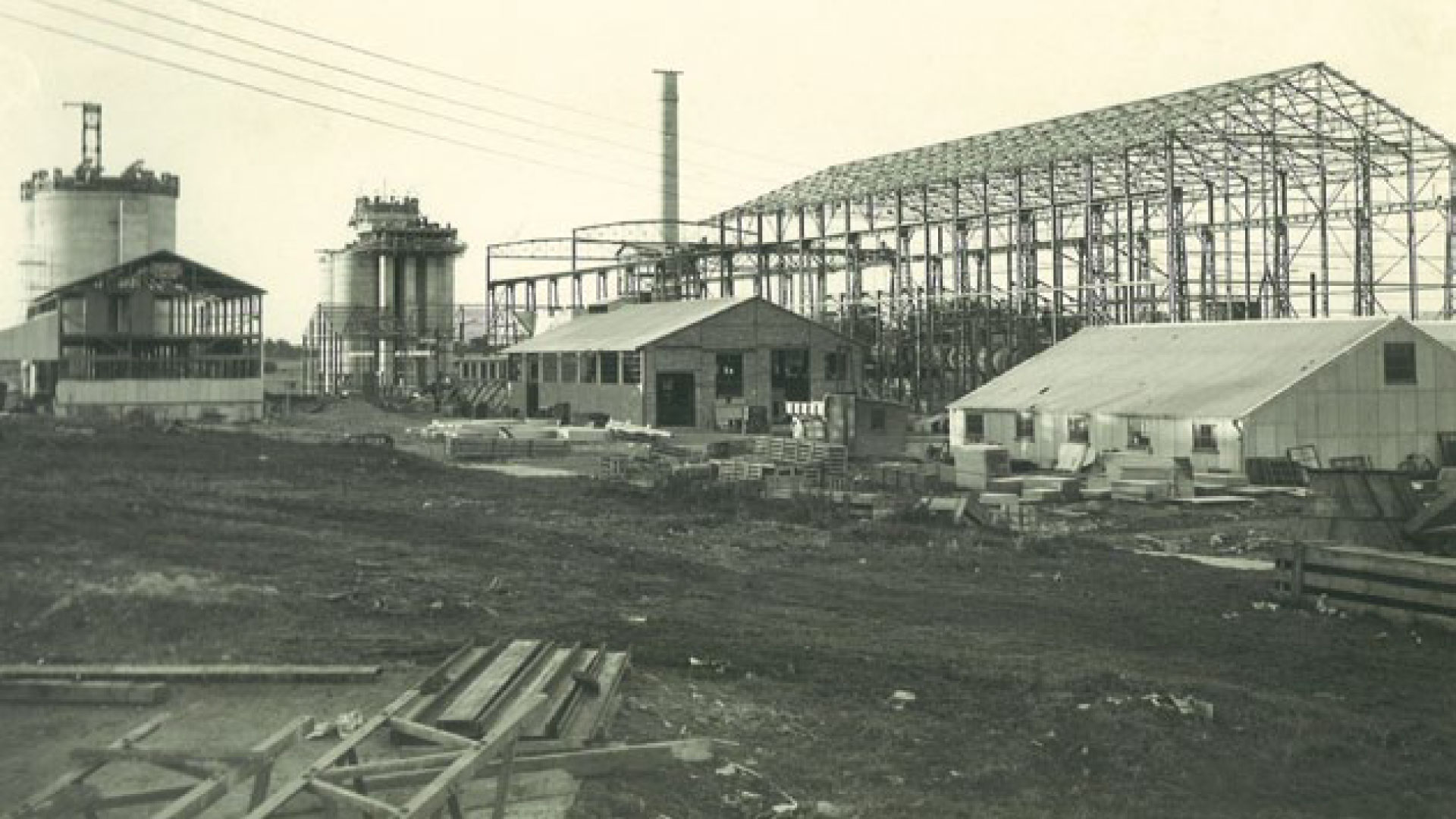
Irish Cement's Limerick plant began supplying cement from its new facility on the south bank of the River Shannon. With an annual capacity of 75,000 tonnes, it helped lay the foundations for Ireland's growing construction industry.
1940's
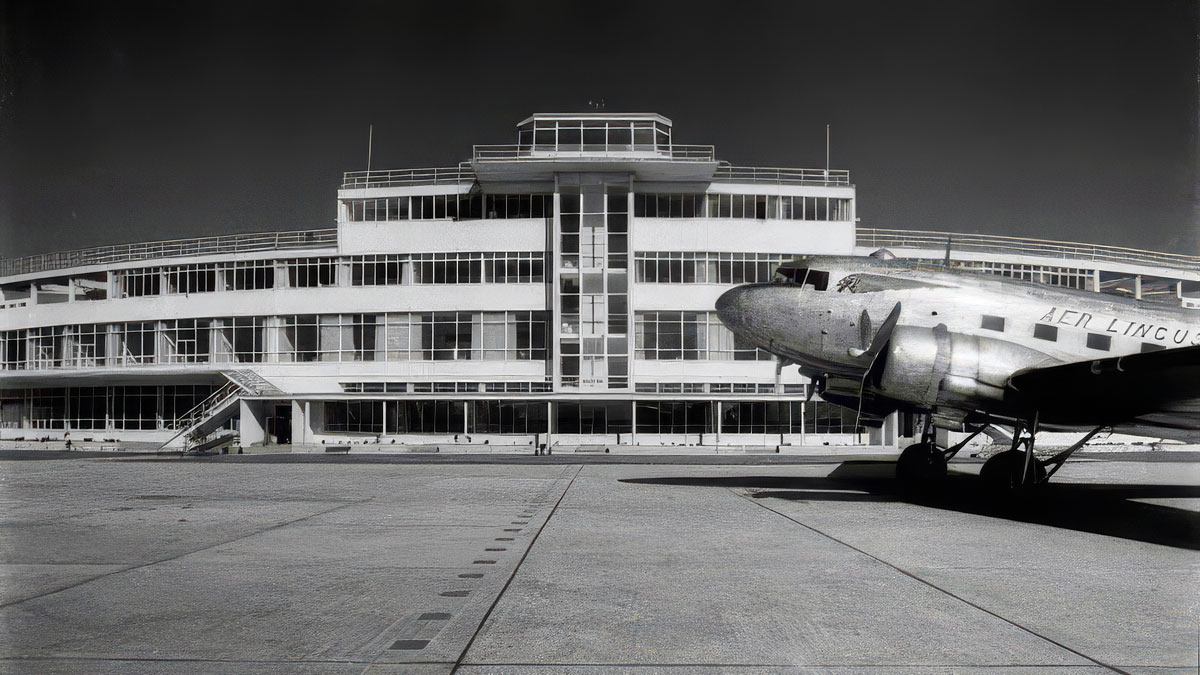
Explore
Despite the challenges of the Second World War, Irish Cement continued production at Drogheda and Limerick. In 1940, Drogheda's capacity doubled to 300,000 tonnes annually. As construction recovered after the war, both plants helped support Ireland's growing infrastructure needs.
1950's
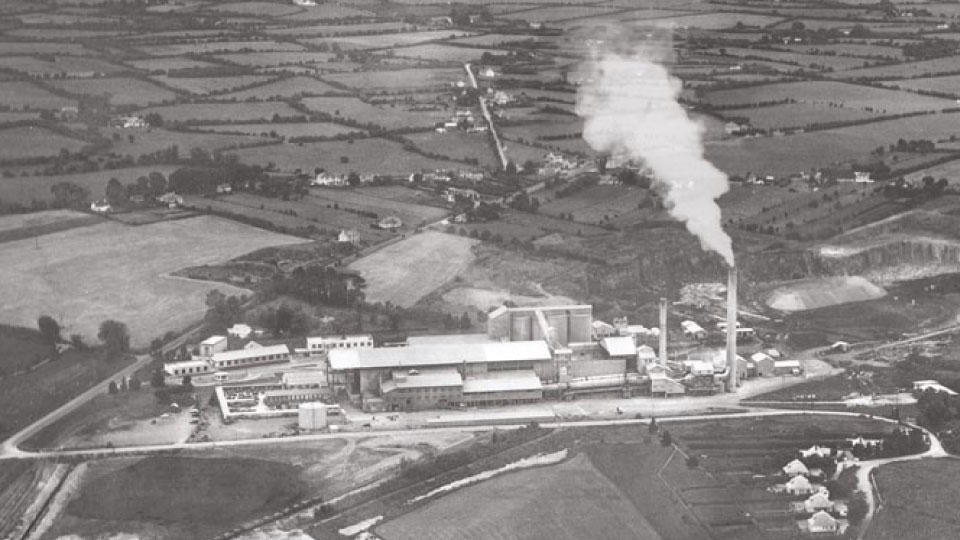
Explore
As demand for cement grew across Ireland, Irish Cement expanded production at both Drogheda and Limerick. In 1954, new production units added 150,000 tonnes of annual capacity at Drogheda and 100,000 tonnes at Limerick, helping meet the needs of Ireland's developing construction industry.
1960's
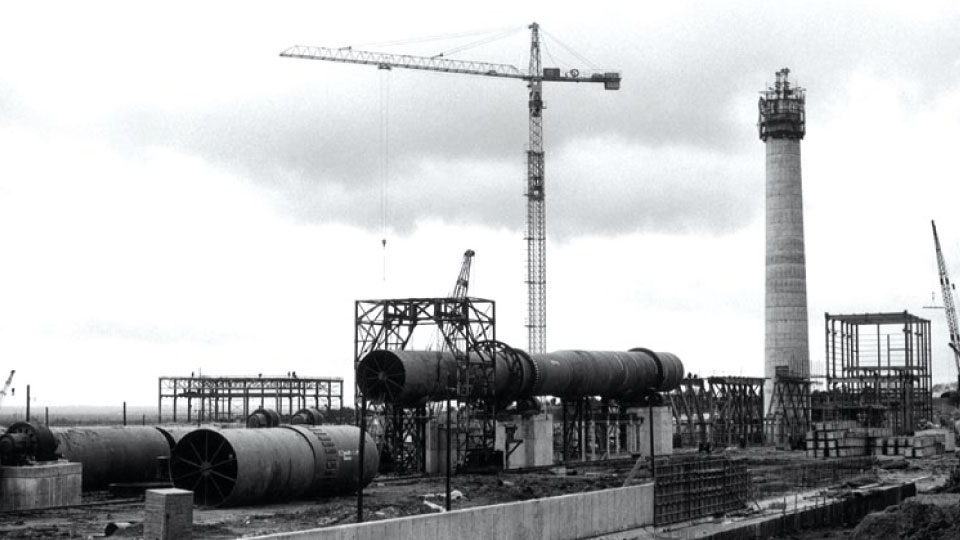
Explore
As Ireland's economy grew, demand for cement increased significantly. Three new kilns were added at Limerick between 1961 and 1965, bringing total production capacity to over one million tonnes annually. In 1968, plans were announced for a new cement plant at Platin, near Drogheda.
1970's
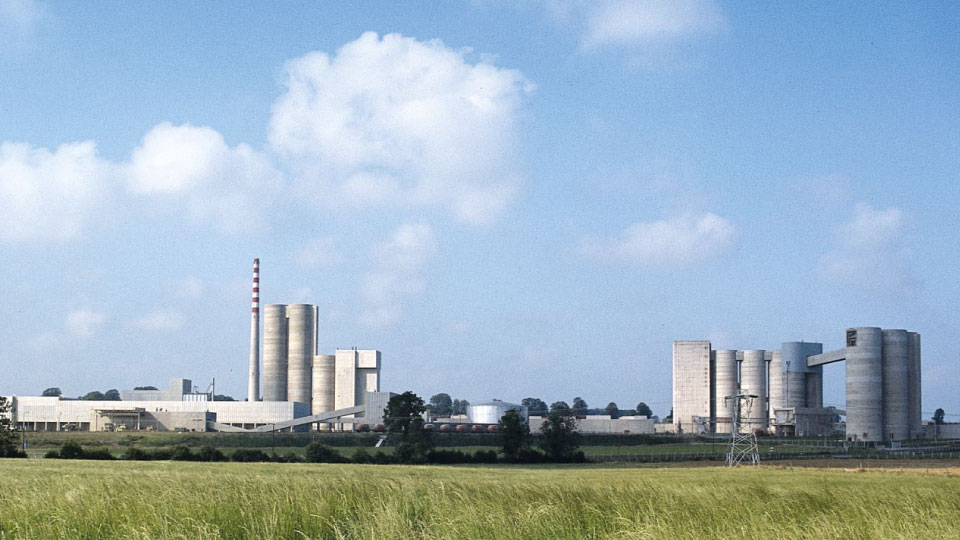
Platin
Irish Cement entered a new era with the opening of its first dry-process kiln at Platin in 1972, followed by a second kiln in 1977. Together, these developments added over 1.4 million tonnes of annual production capacity, replacing the original Drogheda plant and supporting Ireland's growing construction industry.
1980's
Explore
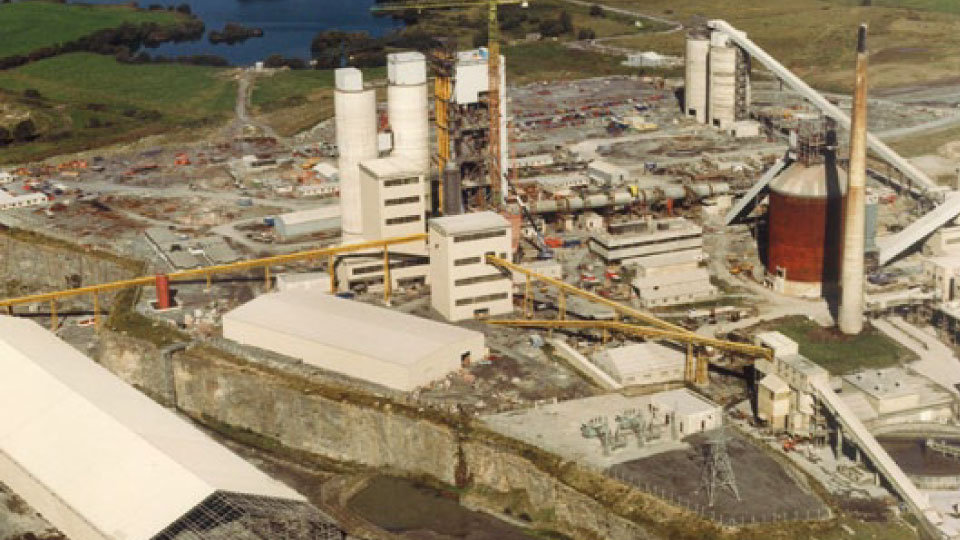
In 1983, a new dry-process kiln was commissioned at Limerick, adding 700,000 tonnes of annual production capacity. This marked a major step towards more efficient cement manufacturing, as older kilns were gradually phased out and Irish Cement continued modernising its operations.
1990's
Explore
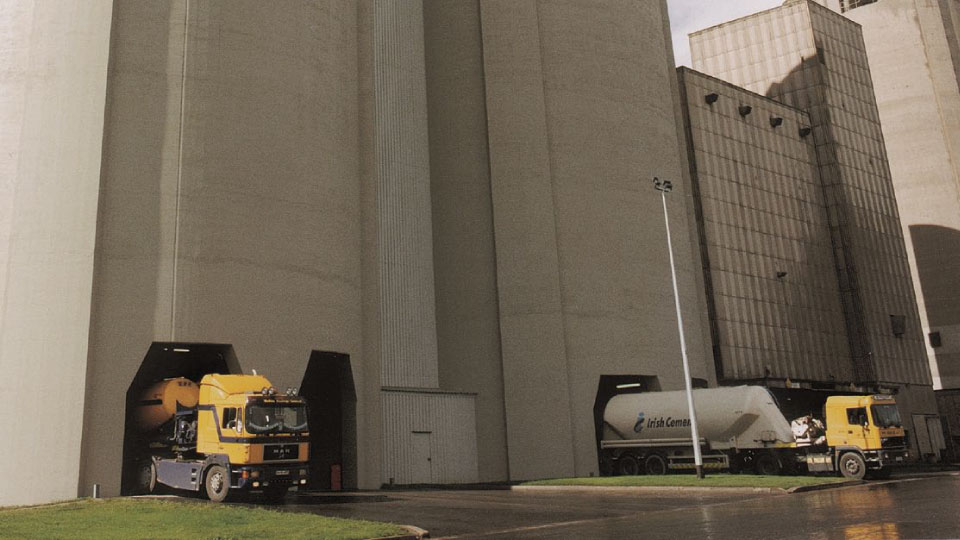
As demand for cement continued to grow, Irish Cement invested in modernising its plants at Platin and Limerick. Improvements in production technology, including a new grate cooler at Platin in 1998, increased efficiency and strengthened quality control, supporting the company's continued growth.
2000's
Explore
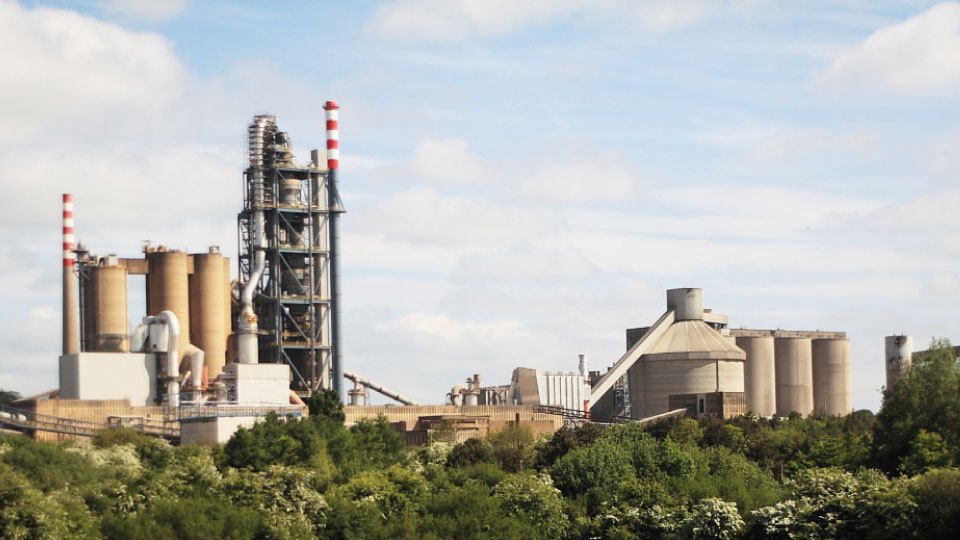
Irish Cement continued investing in modernisation and more sustainable production. In 2007, the company introduced CEM II Portland-Limestone cement, helping reduce the carbon footprint of cement manufacturing. This was followed by the completion of a €200 million expansion at Platin in 2008, adding 1.4 million tonnes of annual production capacity.
News & Updates